A store layout might be carefully planned when the business opens, but the merchandise rarely stays the same for long.
New products arrive. Seasonal ranges replace older ones. One category starts selling quickly while another barely moves. Even successful stores eventually need to change how they use their space.
That is why flexibility matters when choosing fixtures. A display that works for one product range shouldn’t become a problem every time the merchandise changes.
Fixed layouts can become a headache
Large, permanent fixtures can look good when everything is planned around them, but they can also make future changes difficult.
If a retailer decides to expand a clothing section, introduce a new product category or simply rearrange the store, moving heavy or highly specialized fixtures isn’t always practical.
Smaller modular components can make those changes much easier. They allow retailers to adjust individual sections without having to rethink the entire sales floor.
Use walls when floor space is limited
Floor space is usually the most valuable part of a store because customers and staff both need to move through it. Walls, meanwhile, often have plenty of unused capacity.
Wall-mounted fixtures can therefore be useful for keeping merchandise off the floor while still making it accessible.
A wall mounted pipe rack is one example of a fixture that can make use of vertical space, particularly for clothing and other hanging merchandise. The broader idea is more important than the specific fixture: don’t assume every product needs a freestanding rack taking up valuable floor area.
Make displays easy to change
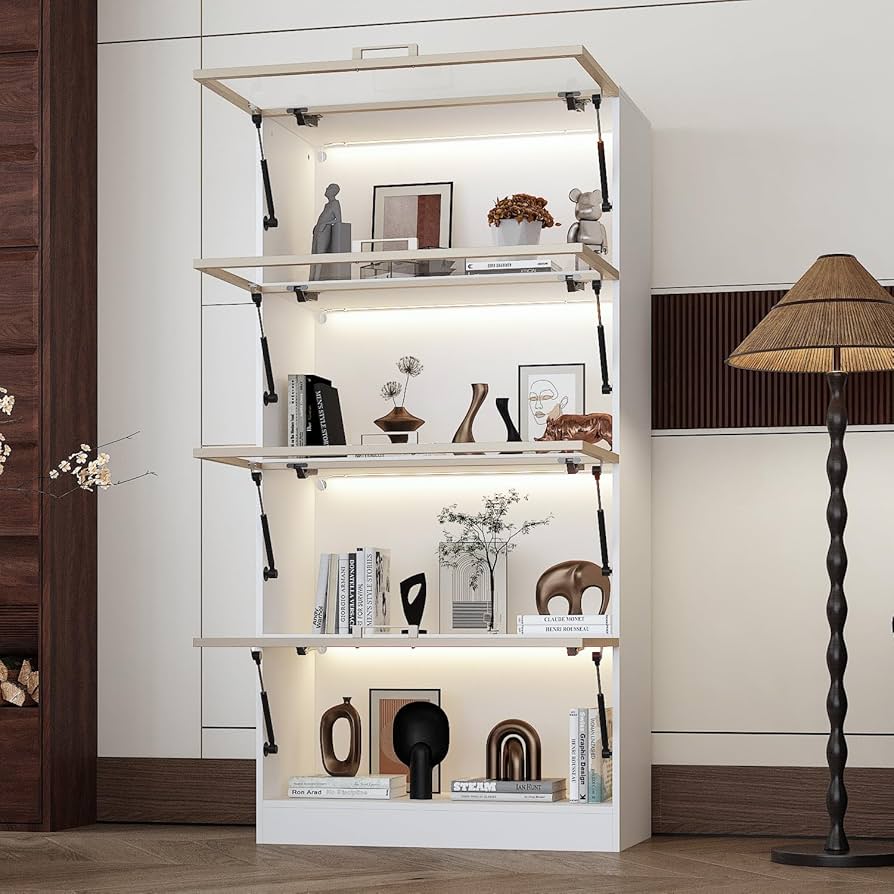
Flexibility becomes especially useful when displays need to be updated regularly.
A clothing retailer might change what is featured at the front of the store every few weeks. A hardware shop could need different arrangements for seasonal products. A gift store may constantly rotate products depending on holidays and local events.
Fixtures that are straightforward to adjust give staff more freedom to make those changes without turning every merchandising update into a major project.
Don’t sacrifice stability for flexibility
There is a difference between a flexible fixture and a flimsy one.
Anything supporting merchandise needs to be properly secured and capable of handling the weight placed on it. Wall-mounted equipment also needs suitable fixing points for the wall itself and the expected load.
This is one area where trying to save money with an unsuitable fixture can create bigger problems later. A display that moves, bends or comes loose is not flexible — it’s unreliable.
Consider what staff have to do
A fixture can look perfectly sensible from the customer side but still be annoying for employees.
Think about how staff will load it, remove products, clean around it and change the arrangement. If every small adjustment requires tools or involves moving half the display, the flexibility doesn’t mean much in practice.
The best fixtures are usually the ones staff can work with quickly during an ordinary shift.
Build a store that can adapt
Retailers don’t need to predict exactly what their stores will look like two years from now. They simply need to avoid making future changes unnecessarily difficult.
Using a mixture of shelving, wall-mounted fixtures, freestanding displays and movable units gives the store more options as the business develops.
A good retail fixture doesn’t just solve today’s merchandising problem. It leaves enough room for the store to change its mind later.
Categories: Business
