Retail changes happen faster than you think
A store can have a layout that works perfectly well for months, then suddenly need a different setup. Holiday stock arrives, summer products take over a section, or a new range needs more room than expected.
The challenge isn’t just finding space for the new merchandise. It’s making those changes without disrupting everything else in the shop.
Retailers who plan for this tend to have an easier time adapting. Instead of treating every seasonal change as a major rearrangement, they build some flexibility into the way their stores are set up.
Think in terms of zones, not permanent arrangements
One useful approach is to divide the store into areas that can serve different purposes throughout the year.
A section near the entrance might feature seasonal products in December, new arrivals in January and promotional merchandise later in the spring. The products change, but the basic area remains useful.
This is easier when the fixtures can be moved or rearranged without too much effort. It also means staff don’t have to learn an entirely new layout every time the merchandise changes.
Keep the main fixtures doing the heavy lifting
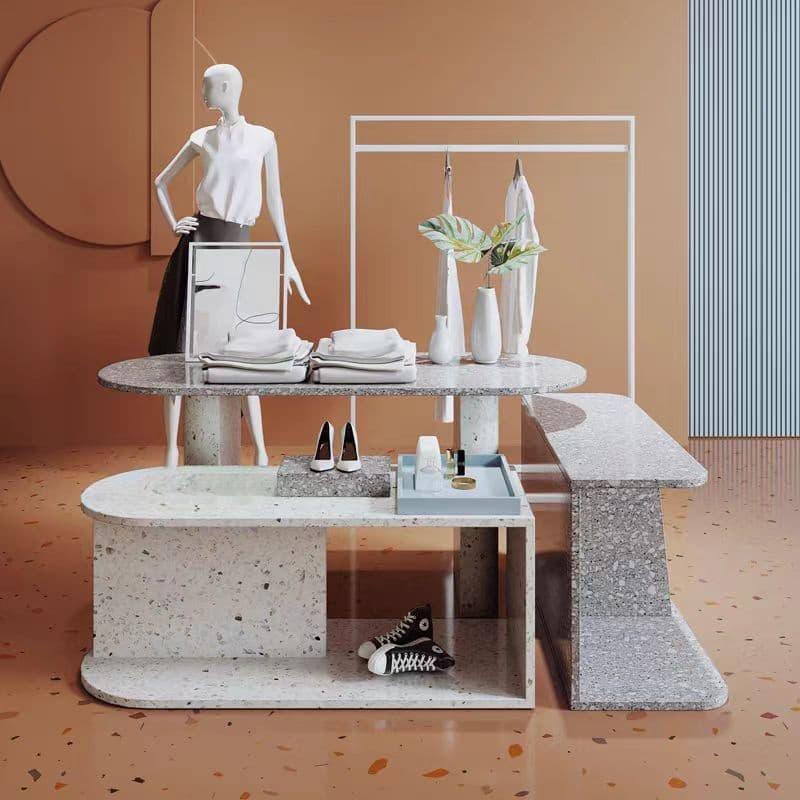
Not every part of a store needs to change with the seasons. Core shelving, wall displays and permanent counters can continue handling the regular product range while smaller areas are adapted for temporary promotions.
Display tables are particularly useful for this because they can bring selected products into a more prominent position without requiring a permanent installation. Retailers sourcing retail display tables wholesale may also find it easier to maintain a consistent look across several departments or locations when they need multiple units.
The important thing is to choose fixtures that suit the merchandise and the way the store operates, rather than buying extra furniture simply because a new promotion is coming up.
Don’t let promotions block the shopping experience
Seasonal displays can generate interest, but they can also create problems when they’re placed without considering customer movement.
A table loaded with discounted products might attract plenty of attention, yet cause congestion if it’s positioned directly in front of a busy aisle. Customers need enough room to stop, browse and move on without getting in everyone else’s way.
Before setting up a temporary display, consider the space around it. Check doorways, checkout queues, accessible routes and the paths staff use when restocking.
A display should help customers discover products, not make the rest of the store harder to navigate.
Store the fixtures you aren’t using
Seasonal merchandising often leaves retailers with a practical problem: what happens to the fixtures once the promotion ends?
If tables and display units are awkward to move or difficult to stack, they can consume valuable backroom space for most of the year. It’s worth considering storage requirements before purchasing them, particularly when buying several units at once.
Durability matters here, too. Fixtures that are repeatedly moved, stored and brought back into service need to withstand more handling than units that stay in one position.
Review what actually worked
After a seasonal period ends, take a little time to assess the setup. Which products attracted attention? Did customers have enough room? Were staff constantly replenishing one area while another remained untouched?
These observations can help shape the next promotion. Even a simple note about which display worked best is more useful than starting from scratch every year.
Flexibility is worth planning for
A store doesn’t need a completely new layout every season to keep its merchandise interesting. Often, a few well-planned changes are enough.
Keeping permanent fixtures practical, leaving room for temporary displays and choosing equipment that can be reused gives retailers more options as their product ranges evolve.
That flexibility saves time, reduces unnecessary spending and makes it easier to respond when the next opportunity comes along.
Categories: Business
